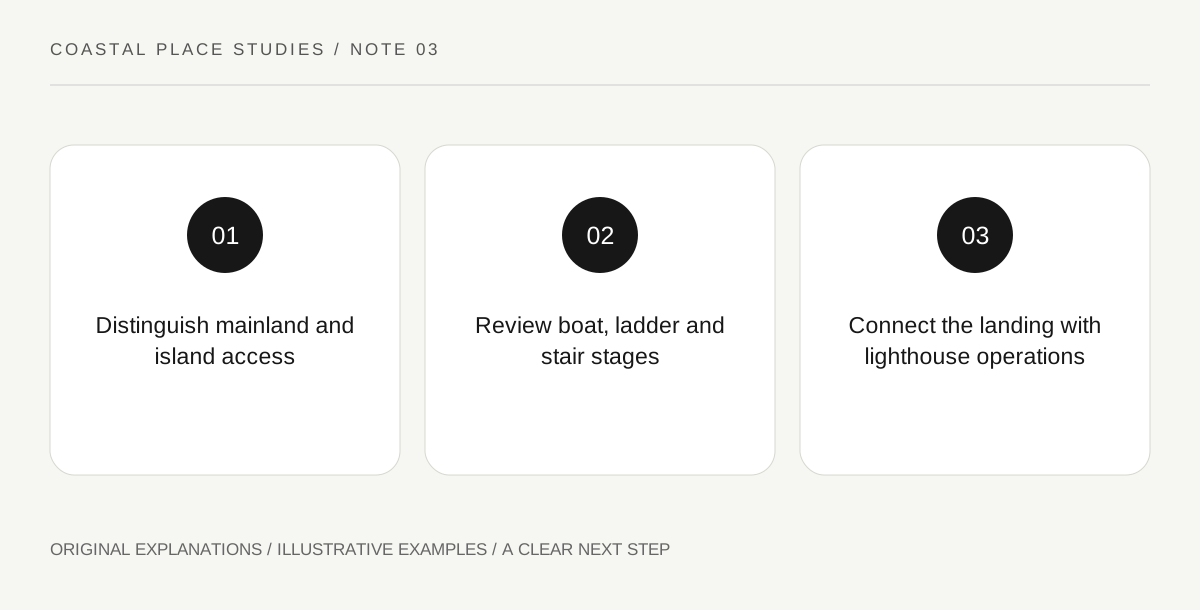
SaveTravel & outdoorsAnacapa’s Landing: The Boat Arrival Is an Engineering and Access QuestionEast Anacapa’s cliff setting makes its landing different from an ordinary beach arrival. NPS describes a boat-to-dock ladder and 157 stairs to the island top. Read that physical sequence before choosing the outing, then use the landing’s lighthouse-service history to understand why the access structures were built this way.20 October 2026 · 3 min read
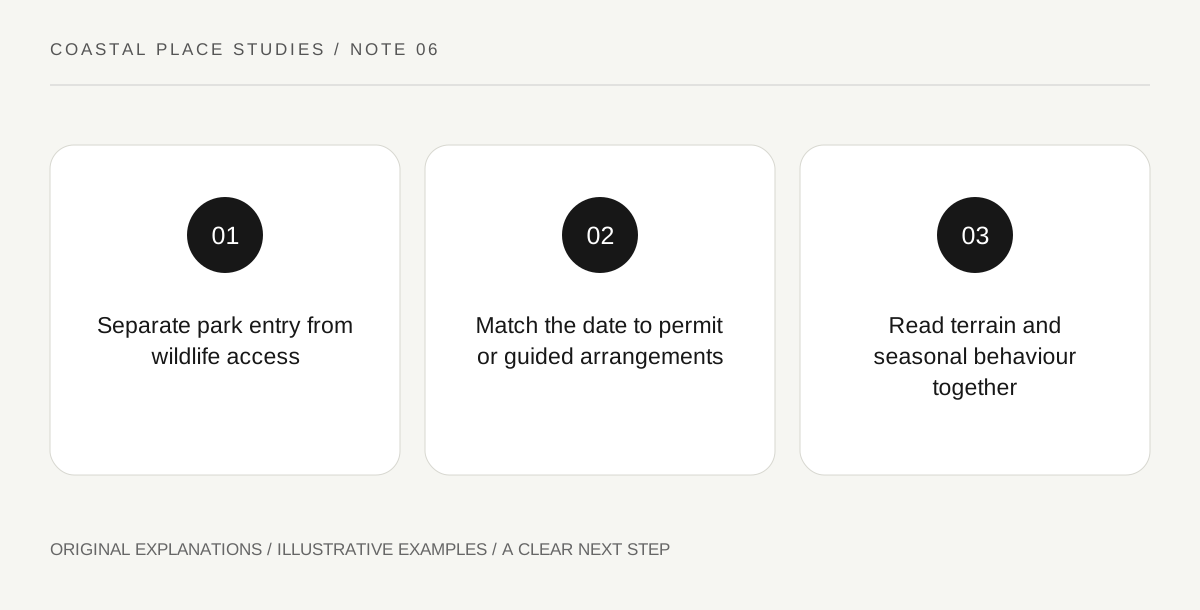
SaveTravel & outdoorsAno Nuevo: Seal Viewing Has Its Own Calendar, Permit and RouteAno Nuevo State Park distinguishes general park access from entry to its elephant-seal viewing area. The official page describes season-dependent guided walks, self-guided permits and a short annual closure. Check the actual date and route requirements rather than assuming a parking payment provides the same wildlife visit throughout the year.20 October 2026 · 3 min read
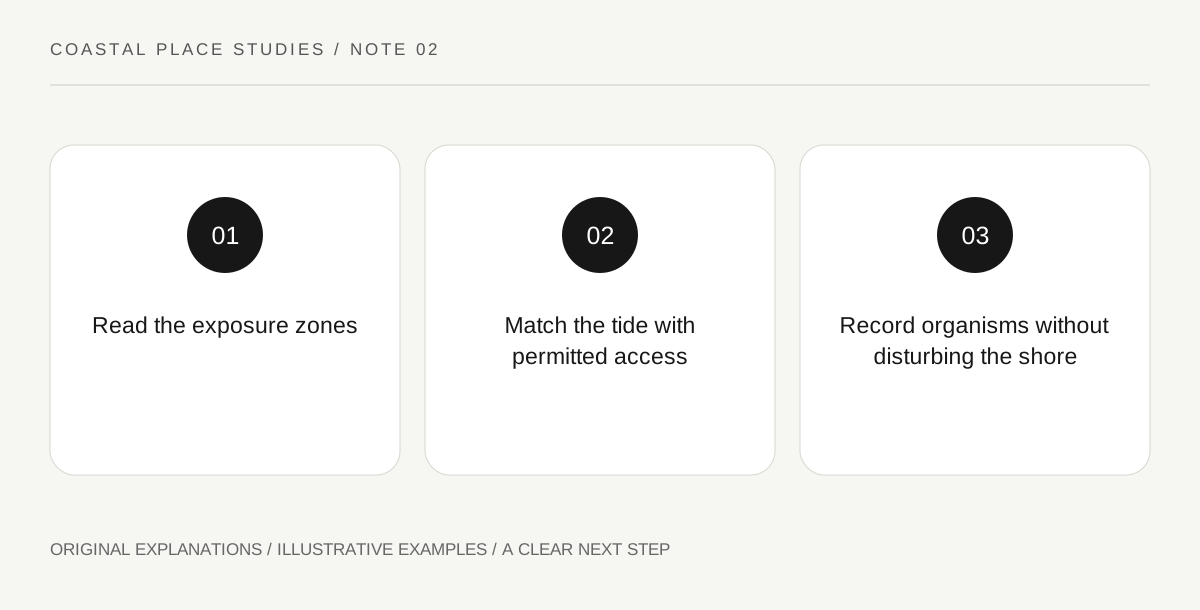
SaveTravel & outdoorsCabrillo’s Tidepools: Three Ecological Zones and a Separate Access WindowCabrillo National Monument’s rocky shore contains high, middle and low intertidal zones. NPS explains how changing exposure shapes the organisms living there. The ecological pattern is a learning subject, while tidepool road access, opening hours and the day’s conditions are separate checks that determine the actual visitor opportunity.20 October 2026 · 3 min read
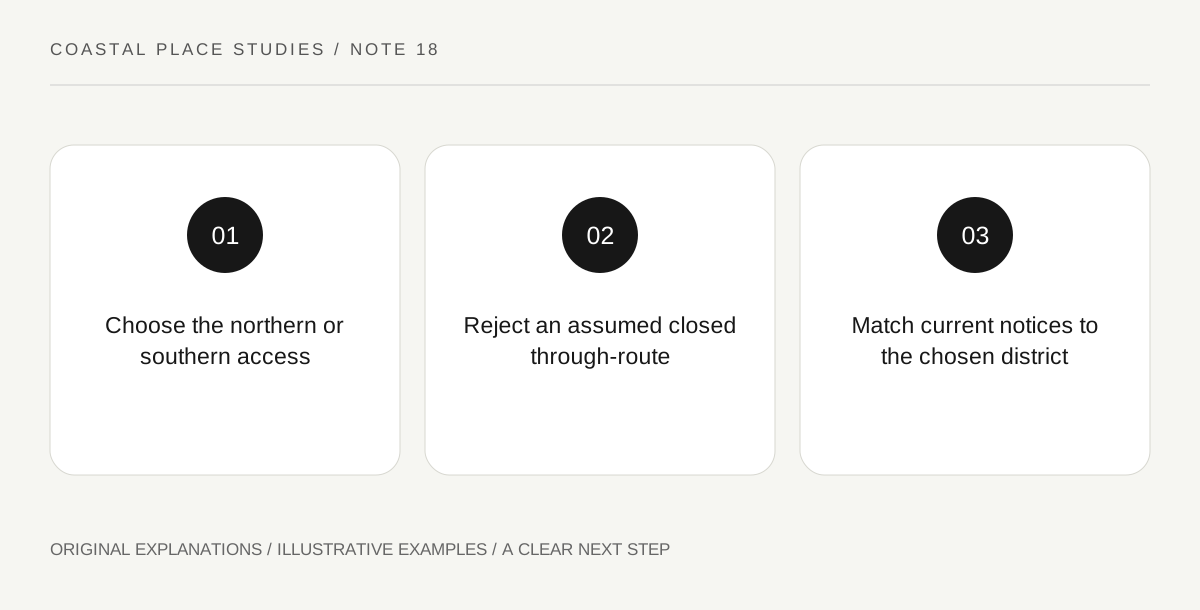
SaveTravel & outdoorsCanaveral: Apollo and Playalinda Have Different Road ApproachesCanaveral National Seashore has northern access at Apollo Beach and southern access at Playalinda. NPS directions place them through different surrounding towns, and the park’s compendium closes the connecting Sand Road to public motor and foot traffic. Choose the actual entrance before navigation rather than assuming one continuous visitor drive through the seashore.20 October 2026 · 3 min read
SaveTravel & outdoorsCape Perpetua: Forest, Ocean and Human History Meet in One LandscapeCape Perpetua’s interpretation connects temperate rainforest with a rocky Pacific shore and a long human history. The Forest Service identifies Alsea connections and later Civilian Conservation Corps work. Read those layers together rather than reducing the scenic area to one dramatic water feature or assuming its entire trail network belongs in a single visit.20 October 2026 · 3 min read
SaveTravel & outdoorsDungeness Spit: A Refuge Landscape Before It Is a Lighthouse WalkDungeness National Wildlife Refuge shelters a bay, tideflats and other habitats behind a long sand spit. The Fish and Wildlife Service distinguishes a forest overlook from the much longer journey toward the lighthouse. Read the refuge map and purpose first so a distant landmark does not obscure protected areas or the value of a shorter observation.20 October 2026 · 3 min read
SaveTravel & outdoorsEbey’s Landing: A Protected Working Landscape Has Many LandownersEbey’s Landing National Historical Reserve on Whidbey Island protects a living rural community, including agricultural and coastal landscapes. NPS explains that ownership is a patchwork and most land remains private. Read the reserve as a partnership rather than assuming its boundary makes every field, road or historic building public visitor space.20 October 2026 · 3 min read
SaveTravel & outdoorsFire Island: Choose the Lighthouse, Wilderness Edge or Sunken Forest Before TransportFire Island National Seashore is reached through several different destinations and transport approaches. NPS distinguishes the lighthouse area, the wilderness visitor centre and mid-island sites such as Sailors Haven. Pick the intended place first; a ferry to one community does not automatically deliver a visitor to every national-seashore attraction.20 October 2026 · 3 min read
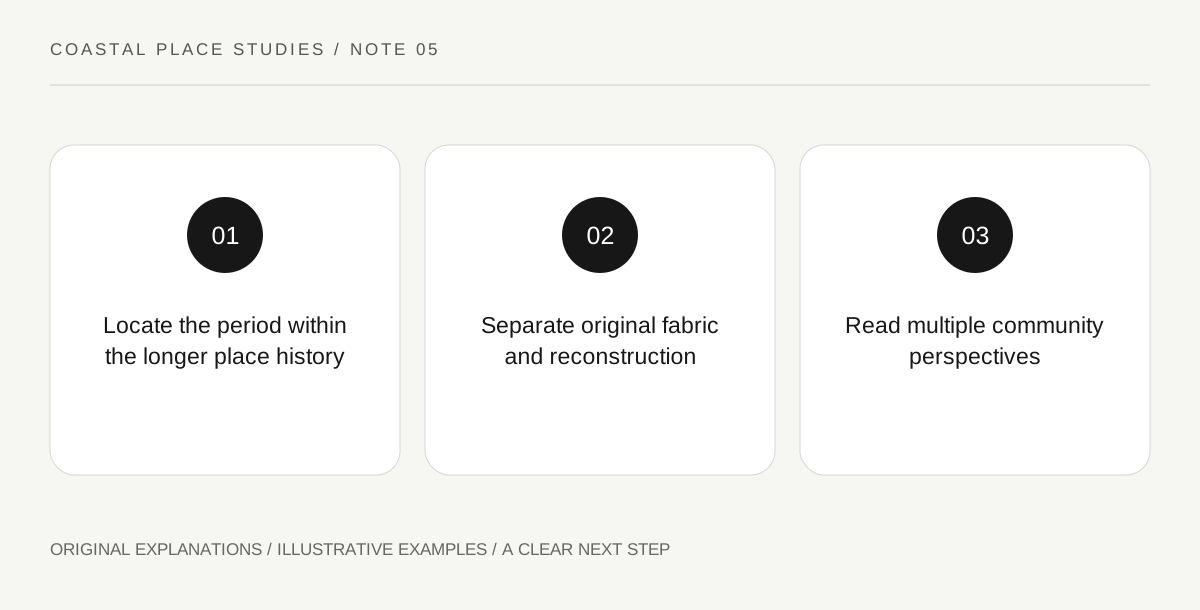
SaveTravel & outdoorsFort Ross: Distinguish Original Fabric, Reconstruction and a Wider CommunityFort Ross presents a coastal historic landscape through surviving material, reconstructed buildings and interpretation of several communities. California State Parks distinguishes the Rotchev House from reconstructed compound structures. Reading those categories carefully also creates room for the Kashia Pomo, Alaska Native and later ranch histories that a Russian-colony-only description can overlook.20 October 2026 · 3 min read
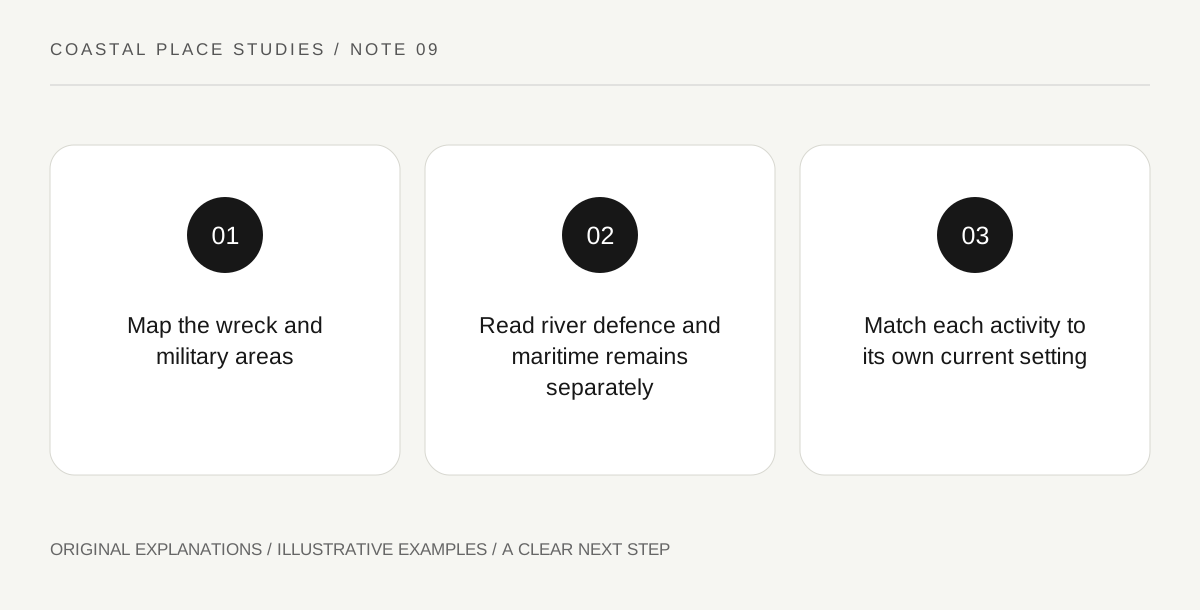
SaveTravel & outdoorsFort Stevens: A Shipwreck and a River-Defence Site Tell Different StoriesFort Stevens State Park combines coastal recreation with military remains and the Peter Iredale shipwreck. Oregon State Parks maps these as different features within a large park. Choose the historical question first so a beach photograph does not become an assumption that the wreck, batteries and museum are all one compact attraction.20 October 2026 · 3 min read
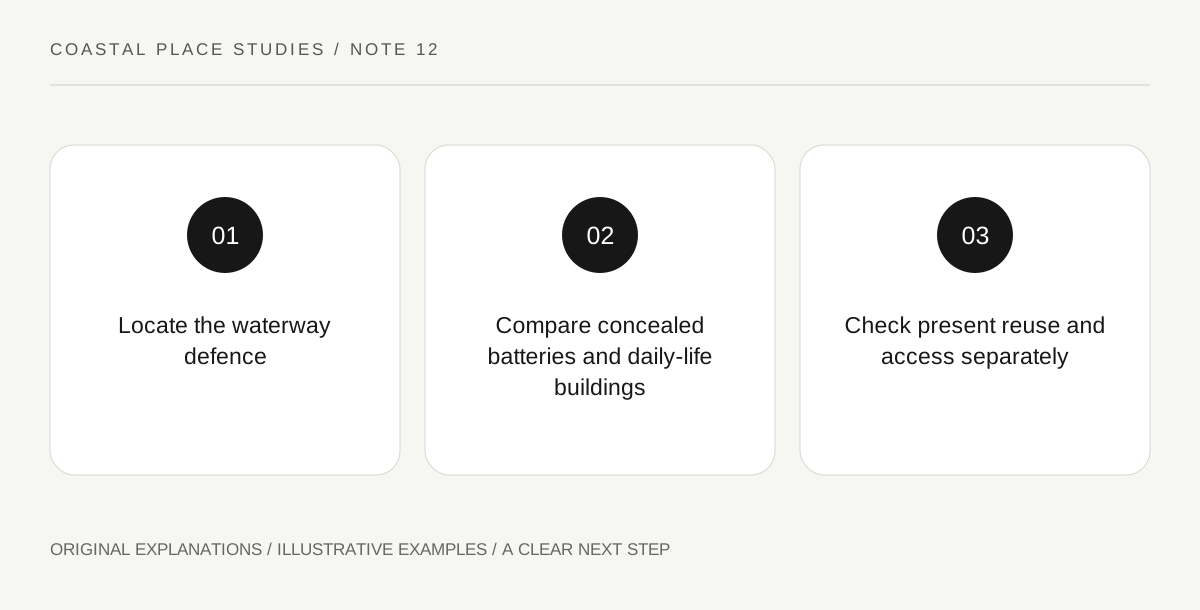
SaveTravel & outdoorsFort Worden: Hidden Batteries and Visible Community BuildingsFort Worden’s coastal-defence history includes concealed artillery works and a visible community of barracks and other buildings. Washington State Parks explains the contrast and the site’s later reuse. A focused visit asks why different structures look so different, while checking present-day access independently of their historical functions.20 October 2026 · 3 min read
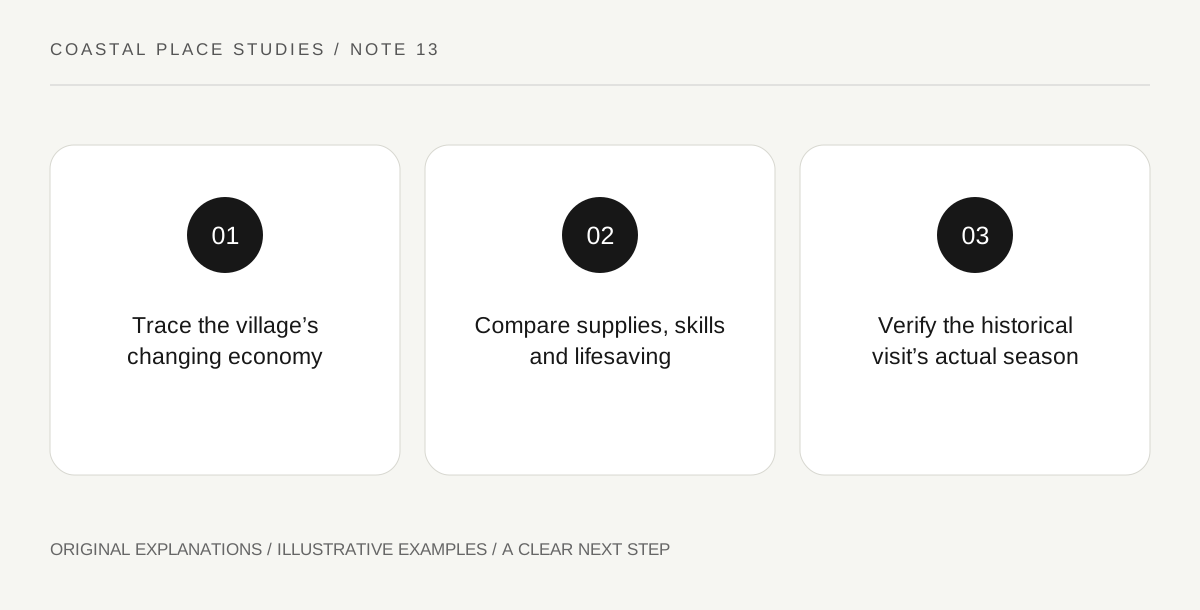
SaveTravel & outdoorsGlen Haven, Lake Michigan: Shipping Work and Lifesaving Are Different HistoriesGlen Haven Historic Village at Sleeping Bear Dunes preserves several kinds of lakeshore work. NPS describes a former cordwood station that diversified into farming, canning and tourism, alongside interpretation of lifesaving. Choose a question about those changing functions rather than treating every historic building as the same maritime museum.20 October 2026 · 3 min read