SaveHome & makingBefore Blocking Crochet: Match the Method to the Yarn and PatternBlocking is a finishing decision governed by the actual yarn and project. Start with the care information and a spare sample rather than applying the same water or heat treatment to every fibre. This guide focuses on preparation and honest measurement.18 October 2026 · 4 min read
SaveHome & makingYour First Chain and Single Crochet SwatchBuild a small ten-stitch swatch with clear instructions for starting, turning, and finishing.5 min read
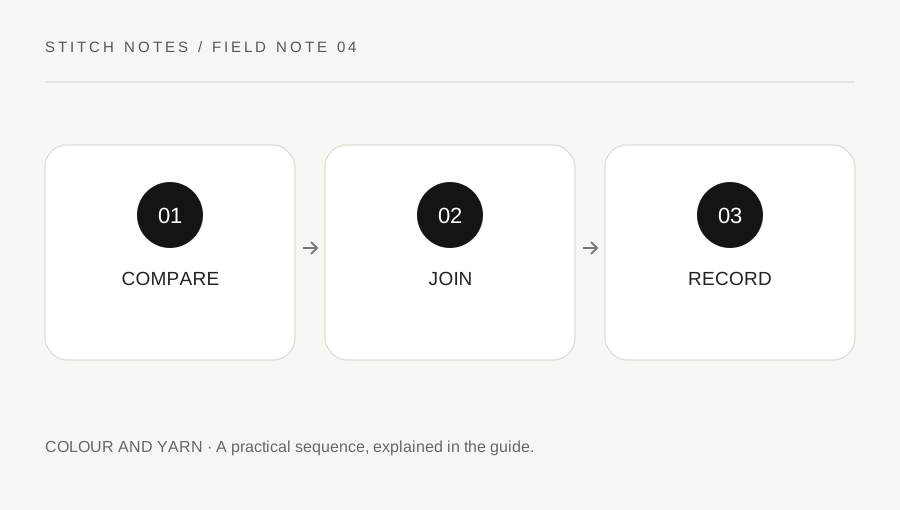
SaveHome & makingChange Crochet Colour at a Row End and Keep the Transition UnderstandableA deliberate row-end colour change separates the completed row, the turning instruction and the new colour. Practise with two contrasting yarns of suitable matching characteristics. The example uses US single crochet and makes no claim of a tested finished pattern.18 October 2026 · 4 min read
SaveHome & makingChoose Yarn, Hook Size, and Gauge for a Small ProjectRead the yarn label, make a useful swatch, and estimate dimensions without promising an exact fit.5 min read
SaveHome & makingCount Crochet Stitches and Keep Your Edges StraightFind the true first and last stitch, use markers well, and catch accidental increases early.5 min read
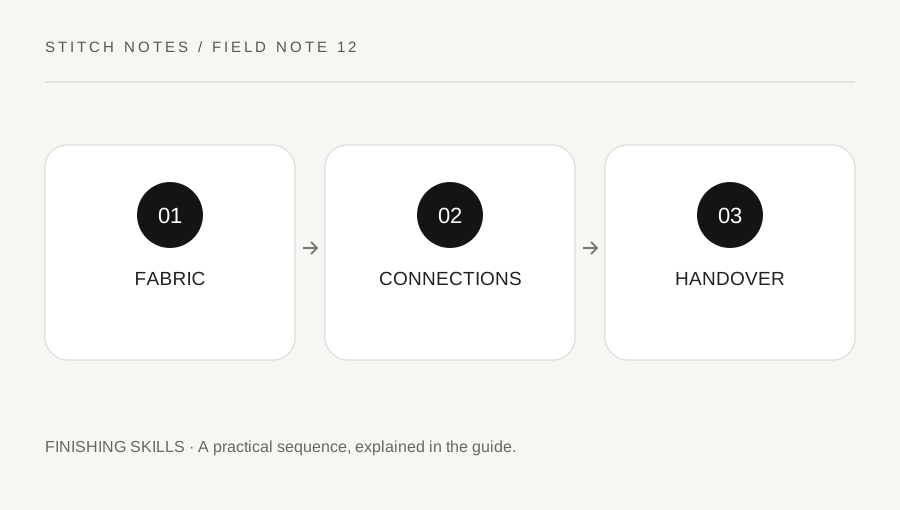
SaveHome & makingA Final Crochet Inspection Before You Call the Project FinishedFinishing is a sequence of checks, not only the last stitch. Review the fabric, connections, ends and care information in a consistent order. A clear inspection makes the remaining work easier to identify and complete.18 October 2026 · 4 min read
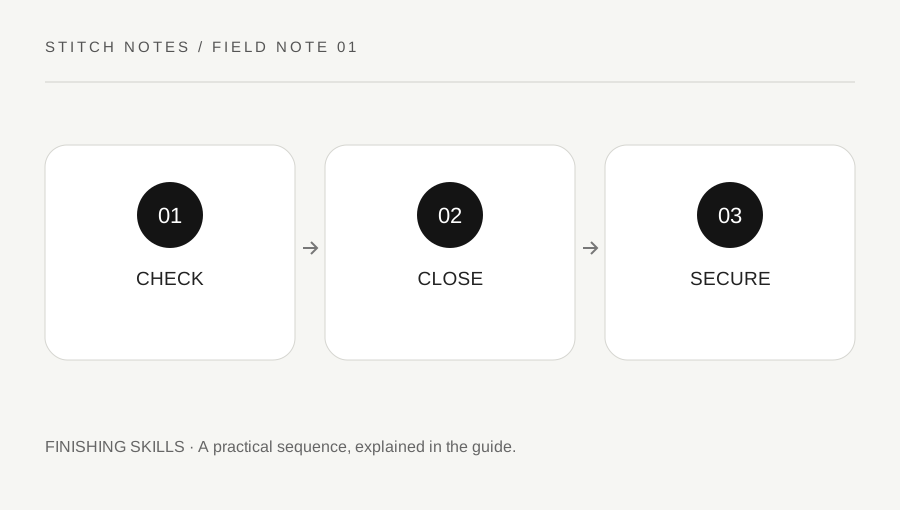
SaveHome & makingFasten Off Crochet with a Tail You Can Actually FinishFastening off closes the active loop; securing the remaining tail is a separate finishing step. Practise both on a small spare swatch before ending an important piece. These instructions use US crochet terminology and an original observation exercise.18 October 2026 · 4 min read
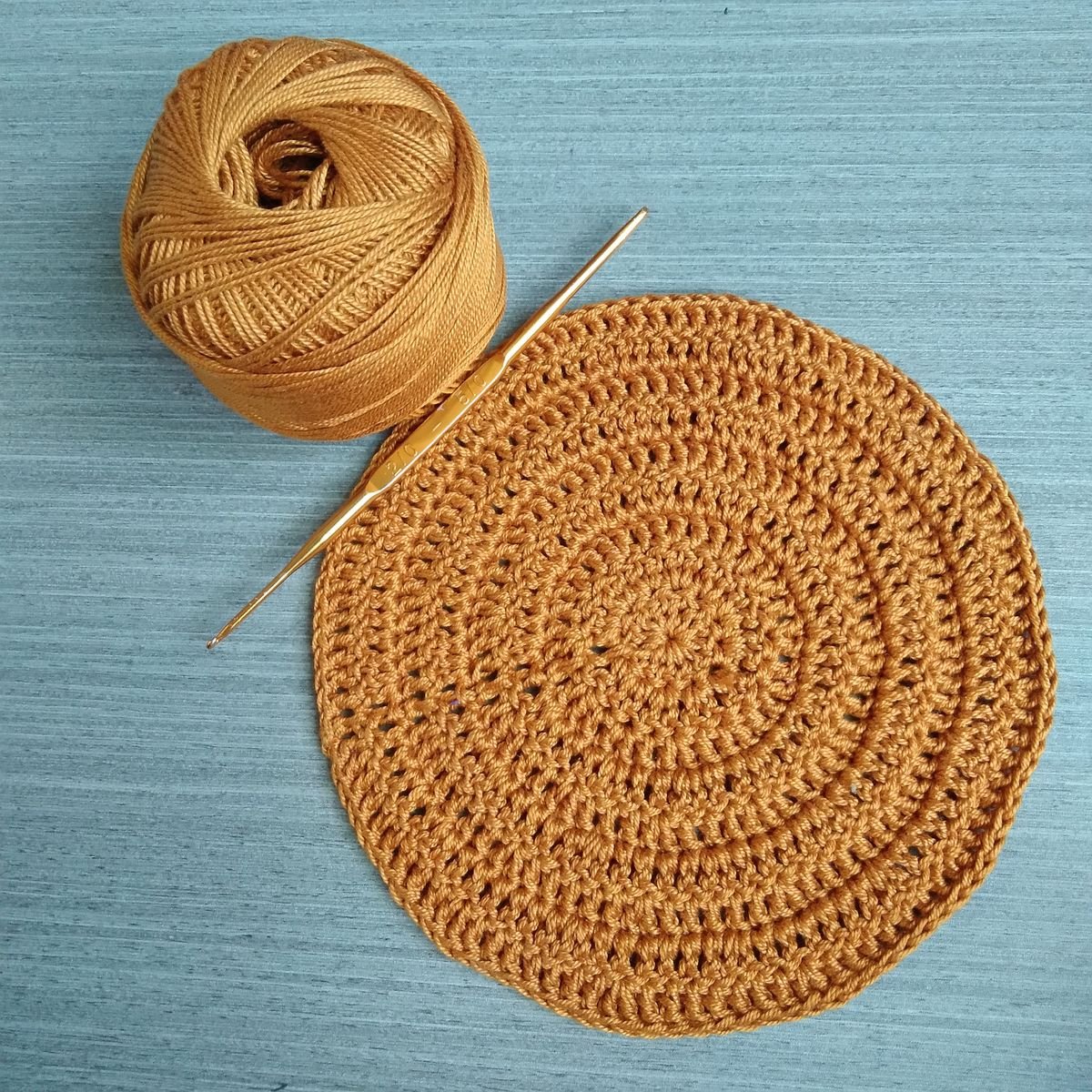
SaveHome & makingA Six-Round Single Crochet Circle CoasterWork a continuous spiral with six increases per round and checked counts from 6 to 36 stitches.5 min read
SaveHome & makingJoin a New Ball of Crochet Yarn Without Losing Your PlaceRunning out of yarn creates two tasks: connect the new supply using an appropriate method and preserve the pattern position. Keep the old label, compare the new ball and test the finish on spare fabric before relying on an unfamiliar join.18 October 2026 · 4 min read
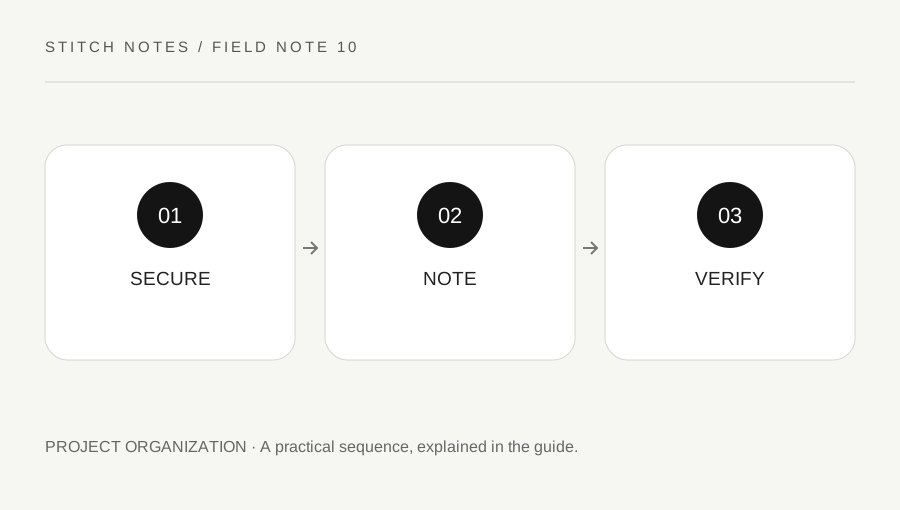
SaveHome & makingPause a Crochet Project with a Secure Loop and a Useful Restart NoteA paused project needs its active loop protected and its next instruction recorded. A small restart note can prevent unnecessary recounting and guessed repeats. Keep the information with the actual yarn and fabric rather than only in memory.18 October 2026 · 4 min read
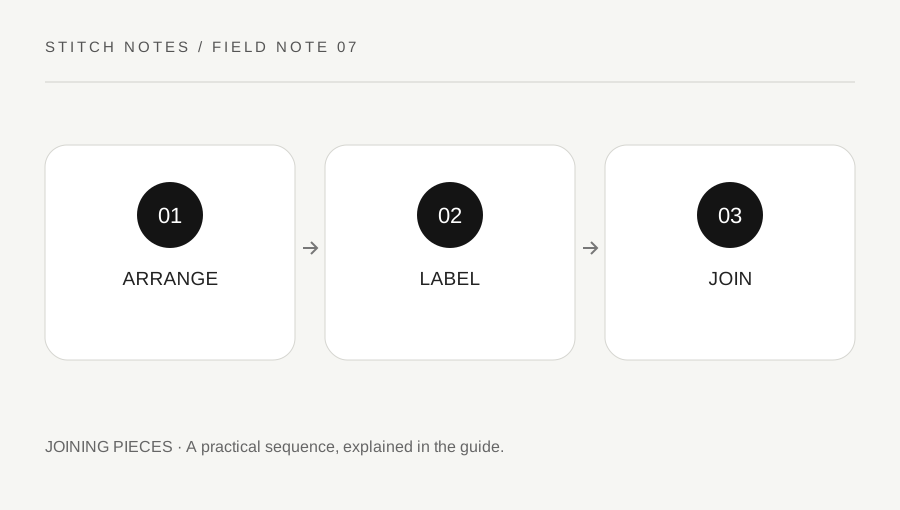
SaveHome & makingPlan a Crochet Motif Layout Before Committing to the JoinsSeveral finished motifs create a new design task: their arrangement, orientation and joining order. Lay out the actual pieces, label their positions and test the seam before assembling the whole project. The grid examples here are original planning exercises.18 October 2026 · 4 min read
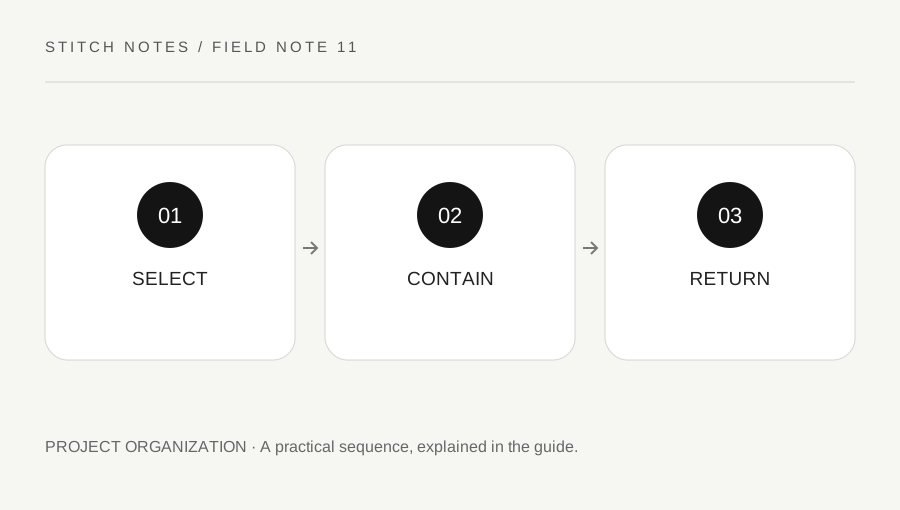
SaveHome & makingKeep a Portable Crochet Project Kit Small and CompleteA portable project kit should contain the specific work, tools and reference information needed for the next session. Start with an ordinary move between rooms or a local activity. Carrying every spare supply can make the current project harder to manage.18 October 2026 · 4 min read